Blog
Curacao Gaming Authority’ye göre, 2024’te lisanslı bahis platformlarının %100’ü kullanıcı verilerini anonimleştirmiştir; bettilt giriş bu güvenlik protokolünü uygular.
OECD verileri, kullanıcıların %83’ünün bonus çevrim kurallarını açıkça açıklayan platformlara güvendiğini göstermektedir; bettilt şeffaflığıyla fark yaratır.
OECD verilerine göre dünya genelinde online oyun gelirlerinin %48’i spor bahislerinden gelmektedir ve bettilt giriş bu alanda güçlü bir portföye sahiptir.
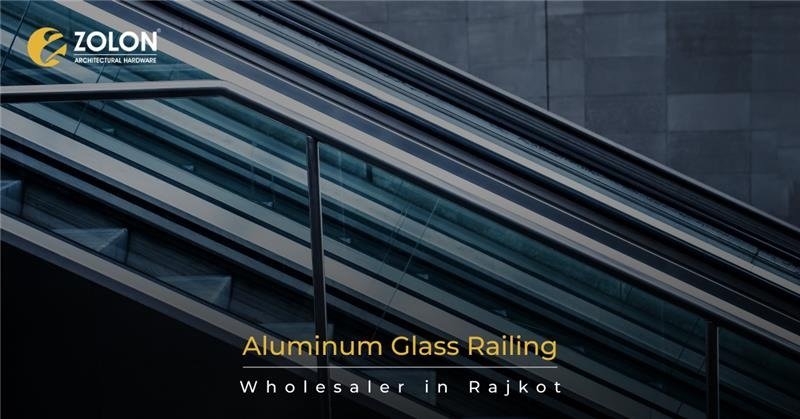
Aluminum Glass Railing Wholesaler in Rajkot: Bulk Supply, Dealer Network and Project Solutions – Zolon Hardware
Aluminum Glass Railing Wholesaler in Rajkot for Bulk Supply and Project Solutions
Modern construction in India increasingly prioritizes safety, visibility, durability, and long-term value. One building element that directly influences all four is Aluminum Glass Railing. In residential towers, commercial complexes, and mixed-use developments, railing systems are no longer just protective barriers. They have become structural components that affect compliance, maintenance cycles, and the visual openness of a space.
Aluminum Glass Railing improves safety by combining a corrosion-resistant metal framework with engineered glass panels that resist impact and load pressure. Visibility improves because transparent infill panels allow unobstructed sightlines while maintaining fall protection. Long-term durability comes from aluminum’s natural resistance to rust, combined with tempered or laminated glass designed for structural performance. These characteristics make the system suitable for Indian climate conditions, especially in coastal, industrial, and high-traffic urban environments like Rajkot.
Overview of Modern Railing Systems in India
India’s railing systems have evolved from purely ornamental ironwork to engineered safety installations governed by building codes and material standards. Developers and architects now assess railing systems based on load capacity, environmental resistance, installation efficiency, and lifecycle cost rather than appearance alone.
Traditional materials such as mild steel and wood still exist, but they often require frequent maintenance and protective coatings. Stainless steel offers strength but can be cost-intensive and visually heavy in transparent design concepts. Aluminum-based systems, paired with structural glass, address many of these limitations by balancing strength with lightweight construction and modern aesthetics.
What Is Aluminum Glass Railing and Why It Matters
Aluminum Glass Railing refers to a railing system where aluminum profiles act as the primary structural frame, supporting glass panels that function as the infill barrier. The aluminum components provide rigidity, anchoring, and load transfer, while the glass ensures visual continuity and light transmission.
This system matters because it meets three core requirements simultaneously. First, it satisfies safety regulations through engineered strength and secure fixing methods. Second, it preserves openness in architectural design, which is especially valuable in balconies, staircases, and elevated walkways. Third, it reduces long-term maintenance demands, an important factor for property managers and facility owners.
Role of Aluminum in Structural Safety and Corrosion Resistance
Aluminum is widely used in construction due to its high strength-to-weight ratio. In railing systems, this means the structure can handle required loads without excessive bulk. Properly designed aluminum profiles distribute force evenly across anchor points, improving overall system stability.
Corrosion resistance is another critical advantage. Unlike steel, aluminum forms a natural oxide layer that protects it from rust. This characteristic is especially relevant in regions with humidity, pollution, or salt exposure. Powder-coated or anodized finishes further enhance resistance, extending service life and maintaining appearance with minimal intervention.
Structural Safety Principles Behind Aluminum Glass Railing
The safety performance of Aluminum Glass Railing Solution depends on correct profile selection, glass thickness, and installation method. Load calculations consider horizontal force, point load, and impact resistance. Aluminum channels are engineered to clamp or slot glass panels securely, preventing displacement under stress.
Anchoring methods also play a role. Base-mounted systems transfer loads into slabs, while side-mounted systems distribute force into vertical structural elements. When designed correctly, these systems meet or exceed local building code requirements while maintaining a clean visual profile.
How Railing Systems Support Safety, Visibility, and Aesthetics
A well-designed railing system acts as a continuous protective barrier without creating a sense of enclosure. Glass infill panels eliminate visual breaks, making spaces feel larger and more connected. This is particularly beneficial in urban apartments where natural light and external views add significant value.
From a safety perspective, transparent barriers reduce blind spots and improve spatial awareness, which is important in public and commercial environments. Aesthetically, aluminum profiles can be finished in neutral or custom tones, allowing seamless integration with modern façades and interior themes.
Residential, Commercial, and Balcony Applications
In residential buildings, railing systems are commonly used on staircases, terraces, and elevated corridors. Homeowners value solutions that combine child safety with minimal visual obstruction. Commercial projects, such as malls and office buildings, require systems that can withstand high foot traffic while maintaining a professional appearance.
Balcony installations deserve special attention. A balcony glass railing allows residents to enjoy open views while meeting safety height and load standards. Aluminum framing ensures the system remains stable over time, even with continuous exposure to weather.
Wholesale Supply and Dealer Network Advantages in Rajkot
Rajkot has emerged as a regional hub for hardware manufacturing and distribution. A local wholesaler benefits developers and contractors by reducing lead times, simplifying logistics, and offering consistency across large projects. Dealer networks allow standardized components to be supplied in bulk while accommodating site-specific requirements.
For builders managing multiple sites, a centralized supply source ensures uniform quality and easier coordination. It also supports after-sales availability of compatible components, which is important for long-term maintenance and future expansions.
Bulk Project Coordination and Installation Considerations
Large-scale projects require precise coordination between design teams, suppliers, and installers. Accurate measurements, shop drawings, and installation sequencing reduce on-site adjustments and delays. Aluminum-based systems support this process because profiles can be prefabricated and cut to specification.
Installation efficiency also affects overall project timelines. Lightweight components reduce handling effort, while modular systems allow faster assembly. Clear installation guidelines help maintain safety and alignment across different floors and sections.
Compliance Standards Applied to Aluminum Glass Railing Systems
Compliance standards ensure that Aluminum Glass Railing systems perform as intended under real-world conditions. These standards typically address glass type, thickness, edge finishing, and fixing methods. Tempered or laminated glass is commonly specified to prevent shattering and reduce injury risk.
Aluminum profiles must meet dimensional tolerances and finish quality requirements. Proper documentation, including test reports and material certifications, helps builders demonstrate compliance during inspections and approvals.
Glass Quality, Thickness, and Performance Requirements
Glass is not merely a visual element; it is a structural component. Thickness selection depends on span, mounting method, and expected load. Laminated glass offers added safety by holding fragments together if breakage occurs, while tempered glass provides higher impact resistance.
Edge finishing and polishing reduce stress points, increasing durability. Clear, frosted, or tinted finishes can be selected based on privacy and design goals without affecting structural performance.
Maintenance, Lifecycle Value, and Cost Efficiency
Long-term value is a key consideration for property owners. Aluminum frames require minimal upkeep beyond routine cleaning. Unlike painted steel or wood, they do not need periodic recoating or replacement due to corrosion or rot.
Glass panels maintain clarity with standard cleaning practices. When evaluated over the full lifecycle, the combined system often results in lower maintenance costs and fewer disruptions, particularly in commercial properties.
Comparative Overview of Railing Materials
The table below summarizes how aluminum-and-glass systems compare with other common railing materials across key performance factors.
Performance Comparison of Common Railing Systems Used in India
| Railing System Type | Safety & Load Performance | Corrosion and Climate Resistance | Visibility and Design Impact | Maintenance Over Time | Ideal Application Areas |
|---|---|---|---|---|---|
| Aluminum with Glass Infill | Engineered to meet fall protection, impact resistance, and horizontal load requirements | Excellent resistance to rust, moisture, and UV exposure | High transparency with open, modern appearance | Low; routine cleaning only | Residential balconies, commercial buildings, staircases |
| Mild Steel Railing | Strong at installation stage but weakens due to corrosion | Poor; requires frequent anti-rust treatment | Low visibility due to bars | High; repainting and rust repair needed | Industrial and low-budget structures |
| Stainless Steel Railing | Meets safety loads when properly fabricated | Moderate; surface corrosion possible in harsh environments | Medium openness | Medium; polishing and surface care required | Offices, malls, indoor areas |
| Wooden Railing | Limited structural safety for elevated areas | Very poor; affected by moisture and pests | Low visual openness | Very high; sealing and replacement required | Interior residential spaces |
| Concrete Parapet Wall | Exceeds static load requirements | Excellent weather resistance | No visibility | Low structural maintenance | Rooftops and traditional construction |
How to Choose the Right Railing System and Supplier
Choosing the right system involves assessing safety requirements, environmental conditions, and long-term operational goals. Builders should evaluate material certifications, installation support, and supply reliability. Consistent quality across batches is especially important for phased developments.
Supplier experience with local regulations and project types adds value by reducing compliance risks. Transparent communication and documentation support smoother project execution from design through handover.
Long-Term Outcomes for Builders, Architects, and Dealers
For builders, reliable railing systems reduce post-handover callbacks and maintenance complaints by maintaining structural stability and finish quality over time. Architects benefit from increased design flexibility, allowing transparent and minimalist layouts without compromising safety or code compliance. Dealers strengthen their offerings by partnering with Hardware Manufacturer in Rajkotthat delivers standardized systems with adaptable configurations suitable for varied project scales.
By aligning material performance with regulatory requirements and contemporary architectural expectations, Aluminum Glass Railing supports safer structures, uninterrupted visibility, and long-term durability across residential and commercial developments.